

Do you like coffee?!? Know that you are not the only one!
If you didn’t already know, a lot of your favorite plants LOVE coffee grounds. They’re acidic, rich in nitrogen, and promote healthy, vigorous plant growth.
Yeah…that means every day you throw away a handful of wet coffee grounds into the bin, somebody out there is using them to make their garden more productive and serene. Think about it…
This article will walk you through a long list of plants we all know and love that would significantly benefit from the use of coffee grounds.
Let’s jump right into it, shall we?
17 Plants That (really!) LOVE Coffee Grounds

17 – Tomatoes
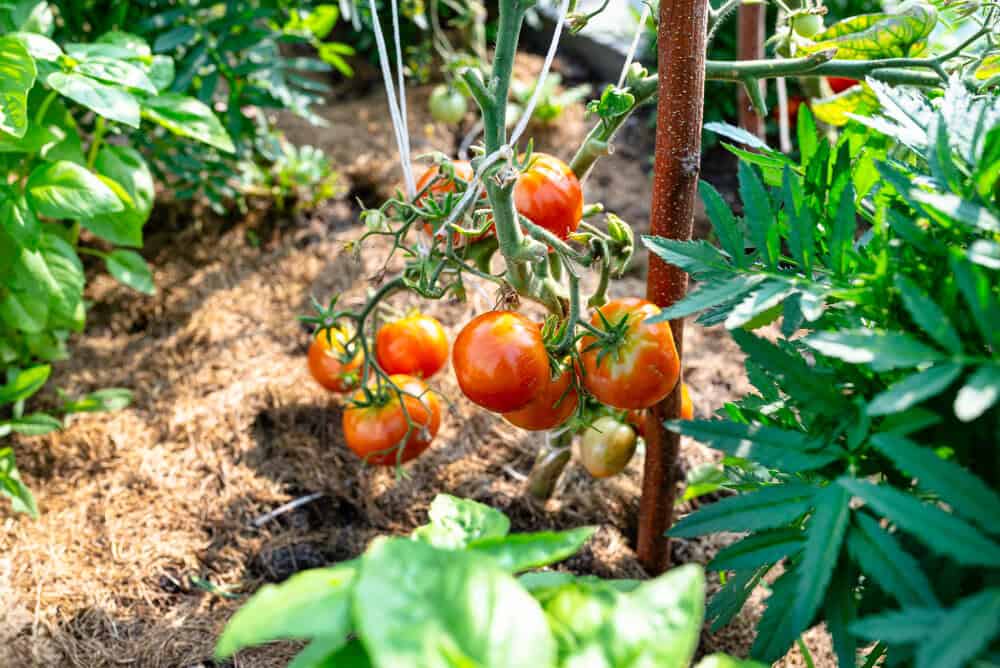
Kicking the list off with everyone’s favorite – tomatoes. Coffee grounds provide tomatoes with a boost of nitrogen, which encourages better foliage development and fruiting.
Furthermore, tomatoes prefer slightly acidic soil and coffee is the perfect way to lower the pH of the soil for efficient plant growth and better yields.
16 – Garlic

Another classic vegetable that you probably love – garlic. Adding coffee grounds to soil where garlic is planted can help improve soil fertility and structure.
The slow nitrogen release from the grounds obviously has benefits of its own. It promotes healthier bulb development, which means improved yields.
15 – Onions

Another bulbous vegetable that greatly benefits from coffee grounds is onion. The grounds work to reduce soil compaction, which aids with fuller and more even root development.
If you want, you can use coffee grounds as mulch to support healthier and prevent waterlogging issues.
14 – Cucumbers

For cucumber growth, coffee grounds aid in maintaining good soil structure and retaining moisture. The slow-releasing nitrogen in the coffee helps the plant better develop root systems and support more vigorous fruiting, which directly translates to higher fruit yield.
13 – Basil

Since coffee grounds boost nitrogen levels in the soil, basil is a herb that significantly benefits from that boost. Higher nitrogen content supports lush and vigours leaf growth in a basil plant and improves soil structure for the plant to thrive.
12 – Rosemary

Rosemary is the perfect winter herb that just oozes the essence of Christmas. Coffee grounds can help a rosemary plant maintain the acidity it needs in the soil and help with the development of its root system.
11 – Mint

Mint requires aeration and drainage for the best growth and reducing chances of root rot. Coffee grounds help with this by improving soil structure and providing plenty of nitrogen that supports new and healthy leaf growth.
If your soil is too dry and lacks moisture, adding the grounds to it will help retain moisture better, ensuring proper hydration for the plant.
10 – Blueberries

Acidic soil is ideal for growing blueberries to their fullest potential. Coffee grounds add acidity to soil which will help create a better growing environment for them while improving soil structure on the side
If excessive weeds are starting to grow around your blueberry bush, using coffee grounds as mulch can suppress those weeds and improve moisture retention.
9 – Strawberries

Strawberries too enjoy growth in acidic soil. Coffee grounds not only lower the pH of the soil but also contribute to improving soil fertility and structure which is an important element of growing the best fruit you can.
The nutrient boost (particularly nitrogen) from the coffee will also enhance fruit production and ensure you harvest plump, juicy strawberries that offer a heavenly sweet taste.
8 – Pumpkins

Coffee grounds benefit pumpkins because they enrich the soil with essential nutrients like nitrogen which supports vine growth and improved fruit development.
Additionally, the grounds improve aeration and moisture retention in the soil, meaning less chance of developing root rot or facing dryness issues.
7 – Squash

Improved soil fertility and structure that will come from coffee grounds benefit squash and its different varieties very well. The grounds not only support water retention, and root development but also drastically improve soil texture which plays a major role in squash growth.
6 – Peppers
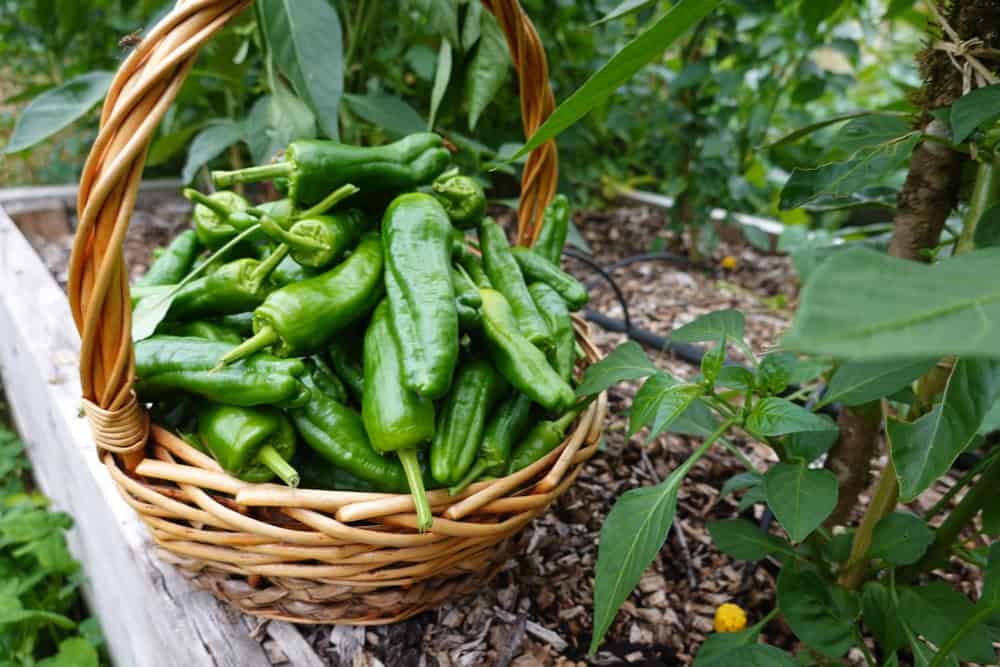
If you’re fond of spicy stuff and happen to be growing peppers in your garden, adding coffee grounds to the plant’s soil will boost overall nutrient content while improving aeration. You’ll witness your pepper plants fruiting in abundance rapidly and getting a lot stronger in no time.
5 – Roses

Yes, you read that right! Even roses can benefit from coffee grounds mixed into the soil!
They would particularly appreciate the slow-releasing nitrogen that would aid with better foliage development and blooming. You’ll definitely witness a noticeable difference in overall plant health and the vibrancy of its blooms.
4 – Hydrangeas

For hydrangeas, coffee grounds will help maintain a decent level of acidity in the soil which is beneficial for the plant’s growth.
The grounds add nutrients to the soil like nitrogen and trace minerals as well as improve soil structure that can have a positive impact on the plant’s health. You’ll also get vigorous and more colorful blooms.
3 – Gardenias

For optimal growth and blooming, gardenias need acidic soil and there’s no better way to achieve it than coffee grounds. They alter the pH of the soil ever so slightly but enough to really make a difference.
Your gardenias will bloom pearl-like, vibrant flowers thanks to the nutrient boost and soil improvement that will come from the coffee grounds.
2 – Fuchsias

Fuchsias thrive in slightly acidic soil and will benefit greatly from coffee grounds. The additional nitrogen will encourage robust growth and flowering, bringing your garden to life like never before.
In a way, the grounds will increase the soil’s organic matter content meaning it will be nutrient-dense and able to support vigorous growth.
1 – Hostas

Although hostas don’t necessarily require acidic soil, it still won’t hurt to provide them with some. Coffee grounds can be beneficial for them because they improve soil texture and provide hostas with a good kick of nutrients which would directly translate to better foliage and lush blooms.
How Coffee Grounds Benefit Plants

Coffee grounds benefit plants because they contain essential nutrients like nitrogen, phosphorus, and potassium.
A combination of these nutrients helps plants develop strong root systems, lush foliage, fruit, and vibrant blooms.
Additionally, coffee grounds lower soil pH which creates an optimal growing environment for plants that thrive in slightly acidic soil.
Some gardeners prefer using them as mulch since they work well for suppressing weeds and maintaining a stable soil temperature.
How To Use Coffee Grounds Safely

My number one tip for using coffee grounds is to use them in moderation!
When people hear that something is beneficial for their plants or garden, they tend to overuse it in hopes of obtaining more yield or better gardening results. More is NOT better!
If you add excessive amounts of coffee grounds to your soil, it will likely become too acidic, which would be harmful even for plants that thrive in acidic soil.
Furthermore, an overly dense layer of coffee grounds would make it harder for water to penetrate the soil properly.
How To Test For Acidic Soil

The most accurate way to test for acidic soil would be to use a soil pH test kit that you can easily get from your local gardening center or order online.
All you’ll need to do is collect soil samples from different areas of your garden and either mix them with some sort of testing solution with water or run them through a digital pH meter. Make sure to collect multiple soil samples so variability is ruled out.
Typically, the test will involve comparing the color change or digital reading to a pH scale or chart that will help you determine the soil’s acidity.
To Conclude…

Many plants can significantly benefit from coffee grounds, but if they don’t receive this boost, I’m afraid you might never see them reach their fullest growth, blooming, and fruiting potential.
Hopefully, this article convinced you to give coffee grounds a try in your garden and see how many of your favorite plants love the generous nutrient and acidity boost.



Hi, Rita, would you use fresh coffee grounds or used coffee grounds?
Hi Rose! Great question! 😊
Used coffee grounds are best for plants because they’re less acidic and decompose more easily, adding nutrients like nitrogen to the soil. Fresh coffee grounds are more acidic and can be too strong for some plants. Let me know if you need any tips on how to use them! 🌿☕✨
Do I sprinkle the grounds on top of the soil and if so how much
Hi Kelly! Yes! 😊 You can sprinkle a thin layer (about 1 tablespoon per small plant or a handful for larger plants) on top of the soil. Mix it in lightly to prevent mold. You can also brew coffee grounds in water (1 tablespoon per gallon) and use it as a liquid fertilizer. Just don’t overdo it. Too much can make the soil acidic! 🌿☕✨
Coffee grounds are grounds already been used. Aka grounds. Otherwise, they are considered (fresh) coffee to be perked through hot water filter system.
Hi Mark! You’re absolutely right! 😊 When we say “coffee grounds,” we’re usually talking about used grounds (the ones left over after brewing). As I mentioned before, fresh, unused coffee is much more acidic and not ideal for most plants. Thanks for the clarification! 🌿☕✨
Hi do you use fresh coffee grounds or used
Thank you for all the useful info!
Hi Maryanne! 😊 Thanks so much, glad you find the info useful! I recommend using used coffee grounds rather than fresh ones. Fresh grounds are more acidic and can be too strong for many plants, while used grounds are gentler and still full of nutrients to boost growth naturally. Keep brewing and gardening!
Can I use Decafinated grounds for my Christmas cactus? Thanks
Hi Dan! Yes! 😊 Decaffeinated coffee grounds can still provide nutrients like nitrogen to your Christmas cactus. Just use them sparinglym. Mix a small amount into the soil or dilute them in water before applying to avoid making the soil too acidic. Hope that helps! 🌿✨
How do you use coffee grounds , do you just put some on the top soil or do you put it in water? and water plants
Hi Rebecca! 😊 You can use coffee grounds in two ways:
🌿 Sprinkle on top of the soil: Add a thin layer around plants and gently mix it into the soil to avoid mold.
💧 Make a coffee ground tea: Soak 2 tablespoons of used coffee grounds in a gallon of water overnight, then use it to water plants for a gentle nutrient boost.
Just use them sparingly to prevent soil from becoming too acidic! 🌱✨
Hi Rita,
Can I use coffee grounds even though I use Miracle Grow?
Hi Kathryn! 😊 Yes, you can use coffee grounds even if you use Miracle-Gro, just do it in moderation. Coffee grounds add organic matter and a bit of nitrogen, but too much can affect your soil’s balance. Since Miracle-Gro is already nutrient-rich, think of coffee grounds more as a gentle soil booster, just sprinkle a small amount around the base or mix into compost. ☕🌿 Let me know what plants you’re using it on!
Would be appreciated if you could list approximately how much coffee grounds is an excessive amount
Hi Terri! Great question! 😊 A good rule of thumb is to use no more than 1/2 inch layer of coffee grounds per month around each plant, or about 1 tablespoon per small plant and a small handful for larger ones.
Too much can make the soil compacted or overly acidic, so mixing the grounds into compost or soil helps balance things out. Hope that helps! 🌿☕✨
How do you store the wet coffee grounds without getting moldy
Hi Linda! 😊 You’re not supposed to store coffee grounds while they’re still wet, or they’ll get moldy fast. Let them dry out completely first, then store in a paper bag or airtight container. Dry grounds are much safer for your plants and way easier to handle! 🌿☕✨
I get mine free in 5 pound bags from Starbucks…they have a program called Grounds for my Garden…just go in and they have them for you to take, usually in a big basket…I spread mine around when I get home…then the left overs I spread out on a opened flat garbage bag and let them air dry and then store them in paper bags…
will the plants get the same benefits if I add them to my compost pile, and apply in composted form? obviously they will be getting added nutrients as well from the composted items, but will the nitrogen levels be much less?
Hi Alison! 😊 When you add coffee grounds to your compost pile, the plants will still get the benefits, just in a more balanced and milder way. The nitrogen will be a little lower compared to using fresh grounds, but the compost will be richer overall and much better for long-term soil health. 🌿✨
Can you use coffee grounds around Irises
Hi Kathy 🙂 Yes, you can use a small amount of used coffee grounds around irises, but go light. Too much can hold moisture around the rhizomes, and irises really prefer not to sit wet.
Hi how often would you do this ? And is coffee grounds good for cilantro?
Thanks
Brenda
Hi Brenda! 😊 You can add coffee grounds about once a month, just a thin layer so it doesn’t build up too much. As for cilantro, it’s better to use coffee grounds sparingly because cilantro prefers neutral soil, and too much can make it too acidic. A light sprinkle now and then is perfect! 🌿☕✨
What about ivory can it help them.
Hi Jannie! 😊 If you mean Ivory soap, it’s not something you’d use to help plants grow, but it can help keep pests away! 🧼🌿
A mild Ivory soap spray (just a few drops in water) can be used on leaves to deter aphids and other soft-bodied insects. Just be sure to test it on one leaf first to make sure your plant doesn’t react badly. It won’t boost growth like coffee grounds, but it can help protect your plants! 😊✨
Which house plants would benefit from coffee grounds?
Hi! Great question! 😊 A few houseplants that can benefit from coffee grounds (used sparingly!) include:
🌿 Spider Plant, Pothos, Peace Lily, Snake Plant and African Violet.
Just be sure to let the grounds dry first and mix them lightly into the soil or compost to avoid mold. A little goes a long way! ☕✨
I hear that it can help get rid of ground moles, true or not? If not, is there some natural way to get rid of them?
Hi Bruce! 😊 There’s a common myth that coffee grounds repel ground moles, but there’s no strong evidence to back that up. Moles are mainly after grubs and worms, and coffee grounds don’t do much to deter them.
For natural ways to get rid of moles, you could try:
🐾 Castor oil-based repellents (safe and effective);
🌱 Planting mole-repelling plants, like marigolds or alliums;
🪱 Controlling grubs in your lawn so there’s less food for moles.
Coffee grounds are great for your garden but not so much for mole control! 🌿☕🐾
I’ve been using coffee grounds in my porch planters for a few years. The squirrels don’t like the scent and then they don’t plant nuts in with my flowers!
Hi Patti, that’s such a clever bonus use! 😄 Coffee grounds for plant health and squirrel control, love it! Thanks for sharing your tip! 🌸☕🐿️✨
Love it !!! Thanks !!!
Hi Irene! 😊 So glad you loved it, thank you!! Wishing you happy plants and plenty of coffee-fueled growth!
Just wanted to mention that most Starbuck’s have a barrel in the store that has “Grounds for you Garden” in them…they are 5 pound bags of used coffee grounds that are FREE!!…they are dry and ready to use in your garden…
Hi Sandi! 😊 That’s such a great tip, thank you for sharing! A lot of gardeners don’t realize Starbucks offers those free “Grounds for Your Garden” bags, and they’re perfect for enriching the soil. Already dry and ready to go, can’t beat that!
thank you so much Sandi, that is great news! I hope our Starbucks does that here and if they don’t I will mention it to them as it’s a great way to use up all their grounds! Great PR for them also!!!!
I’ve read that used coffee grounds are not as acidic as fresh coffee beans.
Hi Mark! 😊 I’ve read that too, and it’s partly true! Used grounds are definitely less acidic. Fresh beans are way too strong and acidic for most plants, they can actually mess with your soil or burn roots. I always use used coffee grounds and dry mine out before using. That way I sprinkle a little around my herbs and veggies without any issues or mix into compost. Works great both ways! 😊
Can coffee grounds be used on pineapple plants
Hi Cynthia! 😊 Pineapple plants can benefit from coffee grounds since they like slightly acidic soil! Just sprinkle used grounds around the base and work them into the top layer of soil, don’t overdo it though, maybe once a month. They’ll appreciate the extra nitrogen boost!
All the info about coffee grounds is great. BUT I don’t drink coffee, so the Starbucks suggestion is very helpful. Thanks everyone!
Hi Janet 😊 Totally agree. If you don’t drink coffee, the free used grounds from coffee shops tip is even more helpful. 🙂
Do grains from tea bags have any value in my garden? If so which plant benefits from them?
Hi Tammy 😊 Yes, used tea leaves can be helpful, but I treat them like a mild compost ingredient, not a direct fertilizer.
I sprinkle them into compost or mix a small amount into soil for acid loving plants like hydrangeas, blueberries, azaleas, and camellias. Just skip tea bags that have plastic and don’t pile the leaves thick on top, they can get moldy.
Hi Rita. Thanks for your guidance on using coffee grounds in the garden. I have seen many articles about their use. Yours is the only one I have found that gives specific amounts of grounds for the size of plant. I was always worried I may use too much and damage the plants.
Hi Jennifer 🙂 Thank you, I’m so glad that helped! That’s exactly why I like giving amounts too. Coffee grounds can be useful, but too much at once can definitely cause problems.
On the ad it show the amount of days to use the grounds but only for the first three, can you give us ranges for the other 14? Please
Hi Jean 🙂 I’d keep the timing simple and use coffee grounds sparingly about once every 4 to 6 weeks during the growing season. A thin sprinkle is plenty, and I’d avoid piling them thickly around the plant.