Tired of paying good money for new plants, only to watch them wither? What if I told you in my best infomercial voice that you could get more plants for free?
Not by stealing them from your neighbors (though I admire having the bulbs to do it), but by digging up and dividing your over-eager perennials. This perfect opportunity comes courtesy of the cooler weather and moist soil of early fall, which implies less stress for your plants.
So grab a shovel, a beer, and let me tell you all about how it alleviates subterranean congestion and invigorates your garden. This offer is for an unlimited time only.
Why Divide Perennials in Early Fall? It’s Easy!

Splitting a mature plant into smaller, stronger, healthy new clumps is what dividing is all about. Fall is the perfect season for it because the milder weather and damp soil do not strain the plants as much.
It also allows the newly separated roots plenty of time to establish before the arrival of cold weather. In the end, a little digging now prevents an unproductive jungle and ensures a bounty of flowers next season.
Note: If you saw our August post and thought, “There’s no way I’m dividing plants in this heat,” you weren’t alone! Early fall is a gentler window. The air is cooler, the soil’s still warm, and your plants aren’t as stressed. Just aim for a cool, cloudy day and make sure everything gets a good drink after. It makes all the difference.
We’ve also got a full guide on which perennials to divide in September if you want even more options.
9 Perennials You Can Divide in Early Fall

Eventually, every perennial needs to be told it’s time to move out of its parents’ basement. Here are nine plants that are ready to get their own place.
1. Daylilies (Hemerocallis)
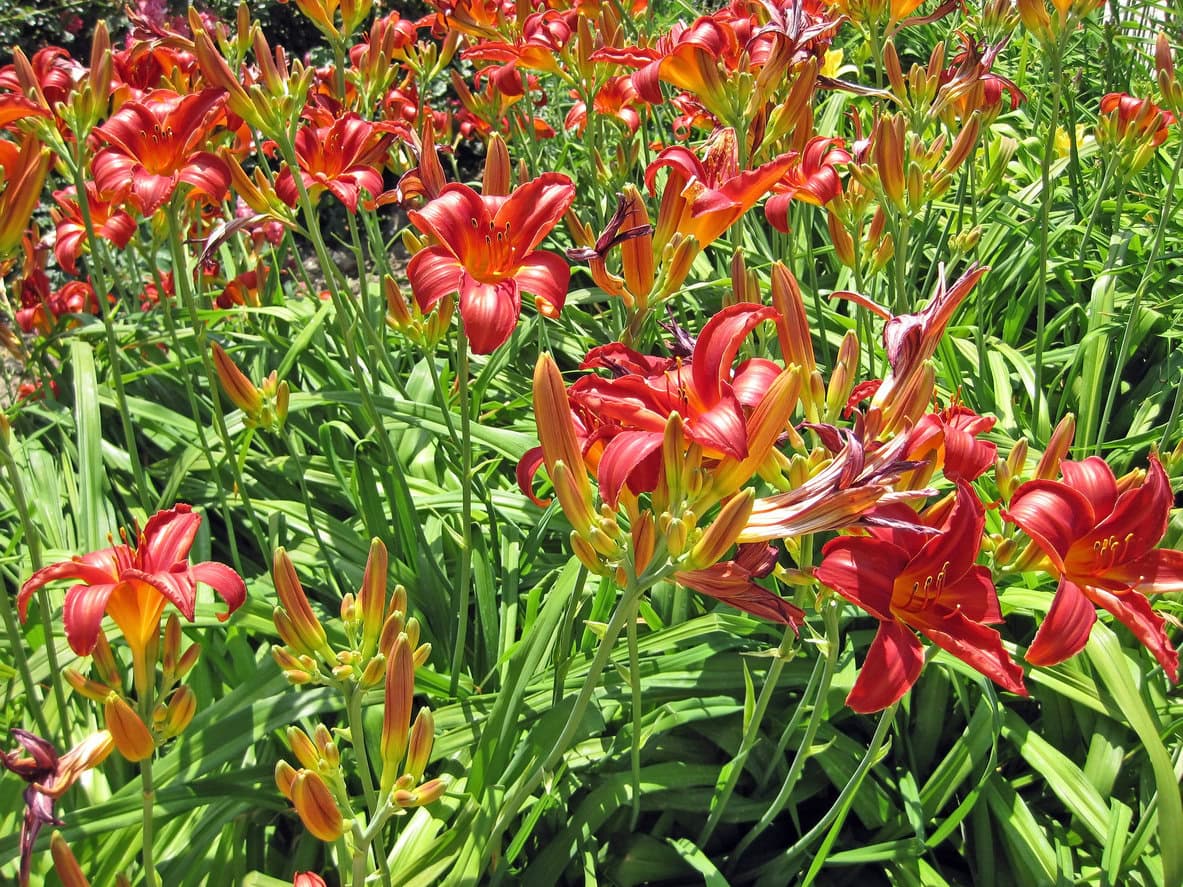
Dependable as day are, Daylilies are renowned for filling a space. Eventually, they’ll need a little intervention to keep from becoming a matted mess.
These tough plants are hardy across an impressive range, from zones 3 to 10, and you should divide them every 3 to 5 years to improve their flowering and give them a renewed sense of purpose.
2. Hostas
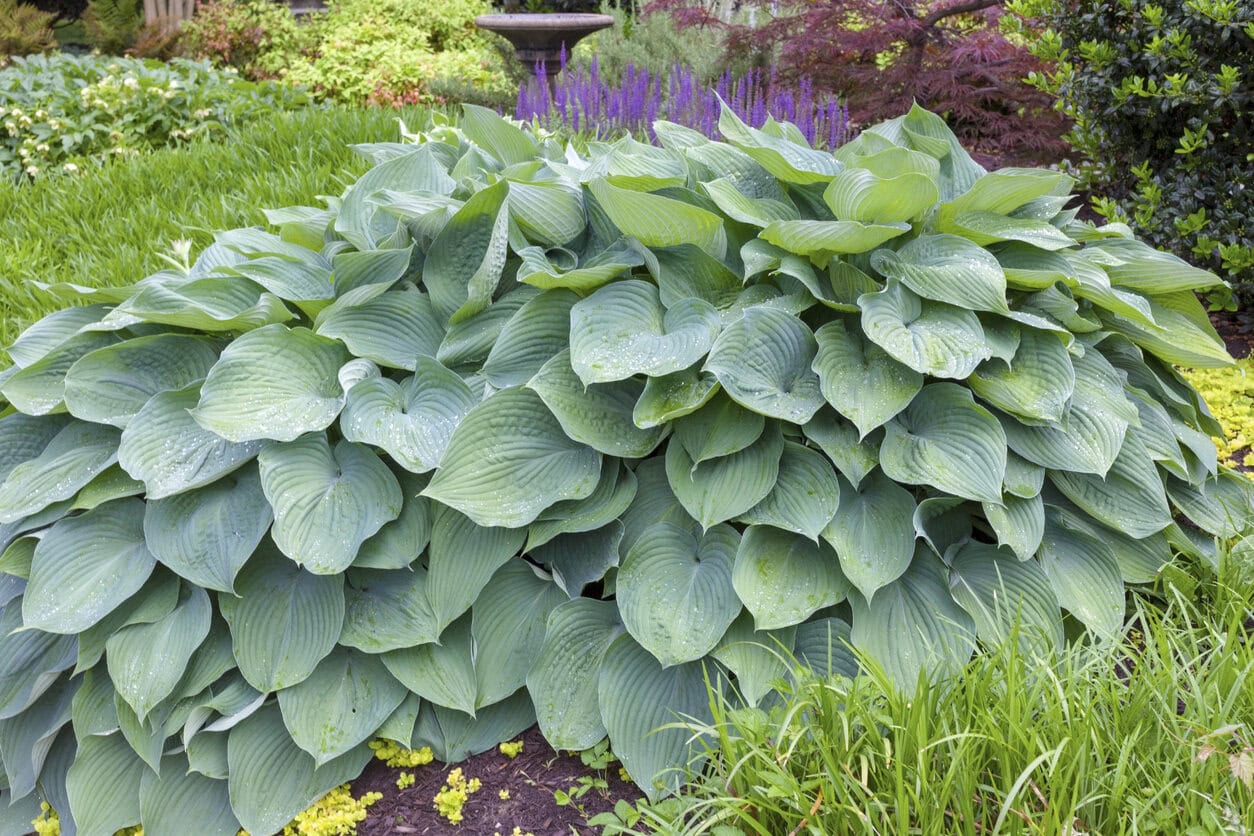
If you don’t set some boundaries, you’ll be saying “Hosta la vista, baby!” to the rest of your garden. You should divide your Hostas every 4 to 5 years to prevent overcrowding.
Do this, and you’ll ensure that they have the room to come back with even more vigorous growth next spring across zones 3 through 9.
And if your Hosta leaves are already yellowing, here’s how to trim them back the right way.
3. Peonies

When it comes to peonies, the best thing you can do is leave them alone. Only disturb these long-term commitments every 8 to 10 years to keep them putting on a show. When you finally decide to, fall is the only time to get away with it.
And if you’re wondering whether to cut peonies back or leave them alone after they flower, we’ve got a full post on that too.
These magnificent plants, which thrive in zones 3 to 8, have a major rule: be very precise about planting depth.
Make sure the eyes (the small, pink buds on the roots) are no more than 1 to 2 inches (or 2.5 to 5 cm) below the soil surface. Planting them any deeper is the number one reason why they won’t bloom.
4. Iris (Bearded Iris)

You can’t be a wallflower when you’ve got these blooms. They need a bit of tough love to keep their elegant blossoms from getting sparse and their rhizomes disease-free.
Irises are hardy in zones 3 to 10, but you’ll want to give them a split every 3 to 4 years to keep their flowers looking their absolute best.
Not sure what to do with the leaves? This quick Iris cutting guide covers exactly when and how to trim them without harming next year’s bloom.
5. Astilbe

It seems that Astilbes don’t handle sharing their space very well. After about 3 to 4 years, they can get a little lethargic and congested at level -2. Give them a quick division so their roots have a place to park, and they’ll be able to thrive in zones 3 to 8. A quick split in early fall reminds them who they still be.
Before you come at me with your still-blooming plants…
Yep, I know, in some zones, a few of these perennials might still be putting on a show when early fall hits. If yours are still blooming their hearts out, just wait until the curtain drops. No need to divide them mid-performance. Let the diva finish her act, then bring out the shovel.
Not sure what to plant this month? Here’s our list of flowers to plant in September for a stunning spring display
6. Coneflowers (Echinacea)

Coneflowers are a victim of their popularity. Swarmed by pollinators and putting on a brave face for seasons, they eventually run on empty. So give them a rescue mission. Splitting them up every 4 to 5 years not only gives you more plants but also gets them off the exhausted list and keeps them lively and productive across zones 3 to 9.
7. Phlox (Garden Phlox)

Garden Phlox is a dream to transplant, so you can set up new plants for free wherever you garden in zones 4 to 8. It’s a classic for a reason, but when crowded, they are particularly susceptible to powdery mildew. To prevent poor blooms and disease, give it a good split every 3 to 4 years.
8. Black-eyed Susan (Rudbeckia)
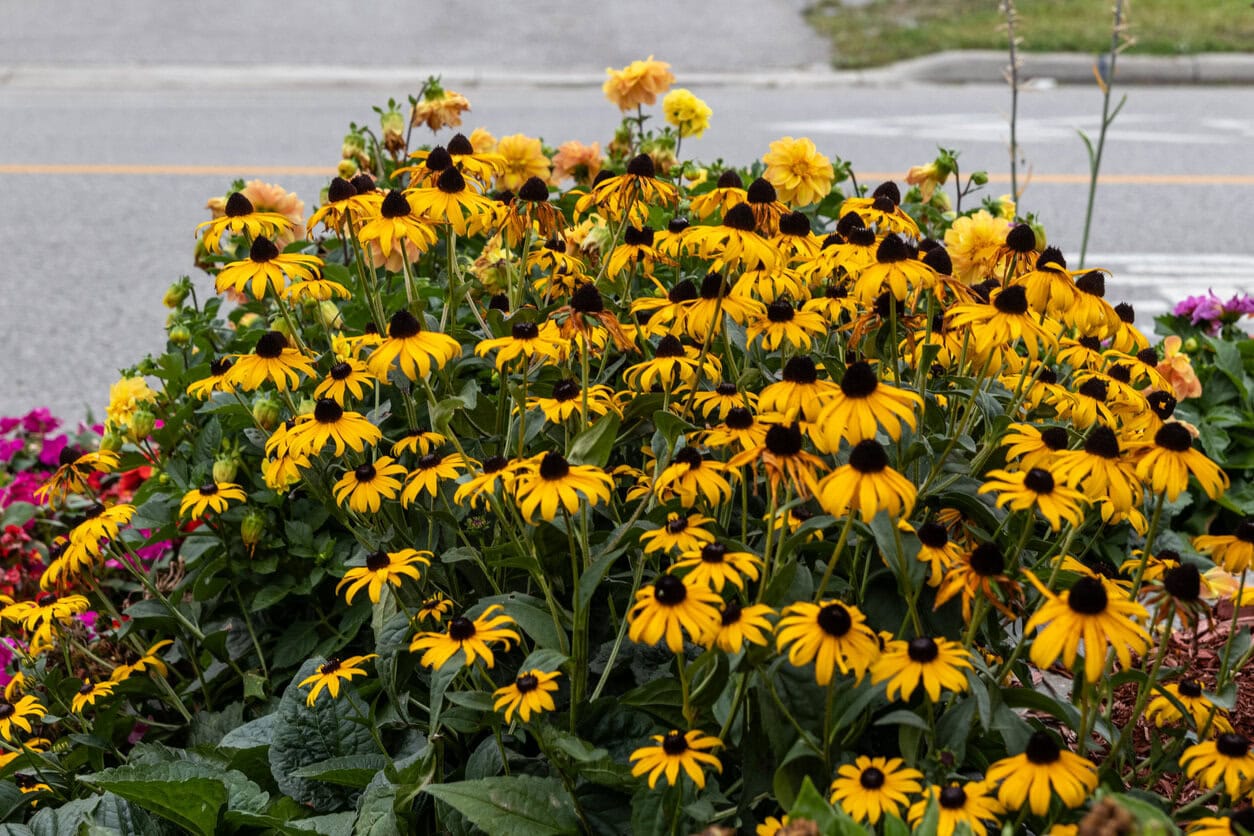
Black-eyed Susans have an ego. They’ll put on a great show for a season or two, but then start throwing their weight around, becoming an unruly tangle. The solution is less of an intervention and more of a check on their ambition.
I usually divide mine in early fall, since the cooler weather makes the process easier on the plants. But my aunt always waits until spring (she lives in a warmer zone), it gives the plants more time to settle in before summer heat kicks in.
For the sake of big and bold blooms in zones 3 through 9, simply divide them every 3 to 4 years. Turns out, the best thing for that ego is if you put them in their (new) place.
And if you’re still unsure what to cut back this month, this September deadheading guide will help you decide what stays and what goes.
9. Shasta Daisies (Leucanthemum)

Although these sunny flowers are quite effective at expansion, they lack a scalable growth strategy. You’ll want to tackle them more frequently than others, every 2 to 3 years, to keep their plants robust and blooming. Their quick recovery time makes them a great candidate for restructuring initiatives across zones 4 to 9.
What Happens If You Don’t Divide These Perennials?
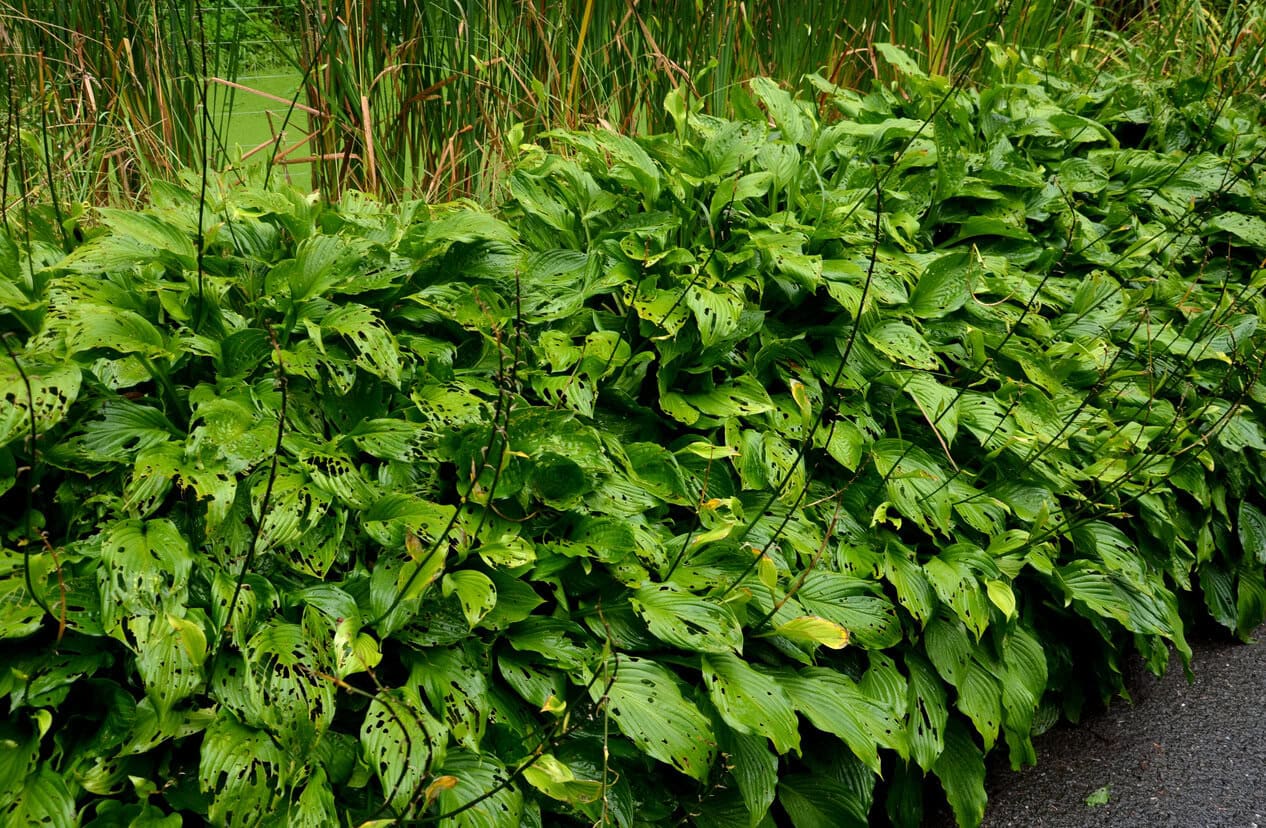
If your soft heart makes it hard to intervene, just remember that your plants will suffer the consequences.
Not dividing today? No problem. Here’s what you can plant in September by zone while you wait for the perfect moment.
Signs That You Should Leave Perennials Alone

Even with the perfect timing, there are times when you should leave well enough alone. A few simple rules: if the leaves are already turning yellow, it’s a hard pass.
If you’re sweating just standing outside, they’re sweating too, so delay the work until cooler weather. Don’t operate on an injured plant, either. Let any damaged foliage recover first. And finally, if they’re putting on a big flower show, wait until the final curtain call.
Just remember, a little division goes a long way. After all, a garden divided can still stand.