Nature usually demands a sunburned sacrifice, but you don’t have to provide one. Your sensitive skin and these nine shade-loving plants share a common enemy: the brutal midday sun.
Stop roasting your bank account on scorched petals and lean into the shadows like a pro.
Dark Mode Gardening
Shade isn’t an excuse for a dead yard; it’s your permission slip to stop fighting the sun. Some plants don’t want to be baked alive, and honestly, neither do I.
1. Hosta (USDA Zones 3-9)

Sometimes I think hostas exist primarily to occupy space that grass has abandoned. You don’t need total gloom to keep them happy, but you do need to spare them from the worst afternoon sun. You have poor soil? Rich compost will help compensate for it.
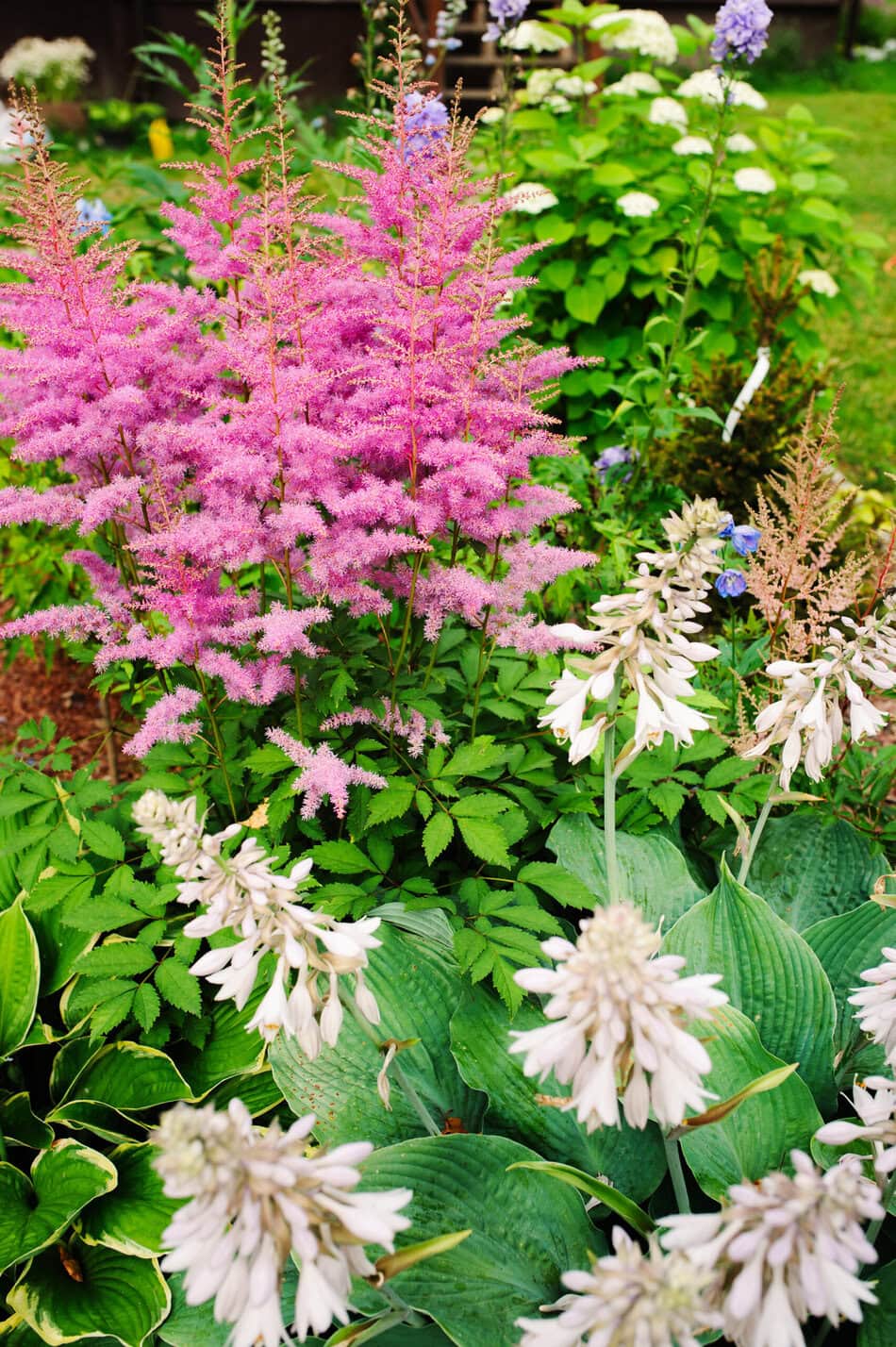
Hostas offer purple or white flowers on tall stalks, but the foliage remains the primary draw. Consistent moisture and steady shade produce leaves large enough to hide your negligence.
Quick tip: Slugs find the plant delicious, so check under the leaves after rain and use traps or slug bait early.
And if your hostas start looking yellow, ragged, or generally like they’ve given up on society, I have a full guide on when to trim yellowing hosta leaves without weakening the plant.
2. Bleeding Heart (USDA Zones 3-9)
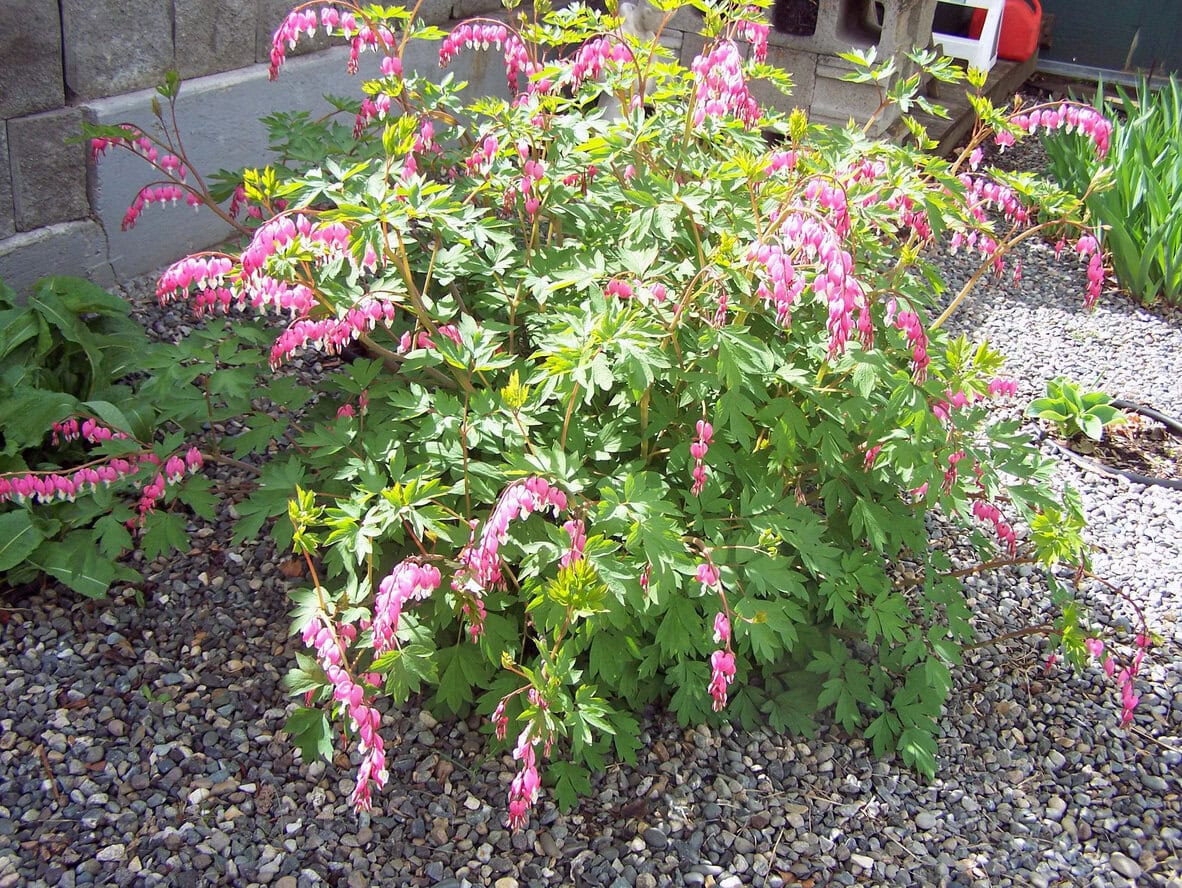
For about six weeks, you get drooping heart flowers out of a gothic fairy tale, but the plant itself has no stamina. Around July, the leaves yellow and melt into a heap. It is not dead, but it certainly is not pretty.
Once the foliage has yellowed, hack the stalks down to three inches from the soil. Stick a big fern in front of the spot to mask the gap while the plant hides out underground for the season. It will be back next spring like nothing happened.
Quick tip: If it collapses in summer, don’t drown it trying to “save” it. Check that the soil is lightly moist, then leave it alone. It’s probably just going dormant, not dying.
3. Astilbe (USDA Zones 3-9)
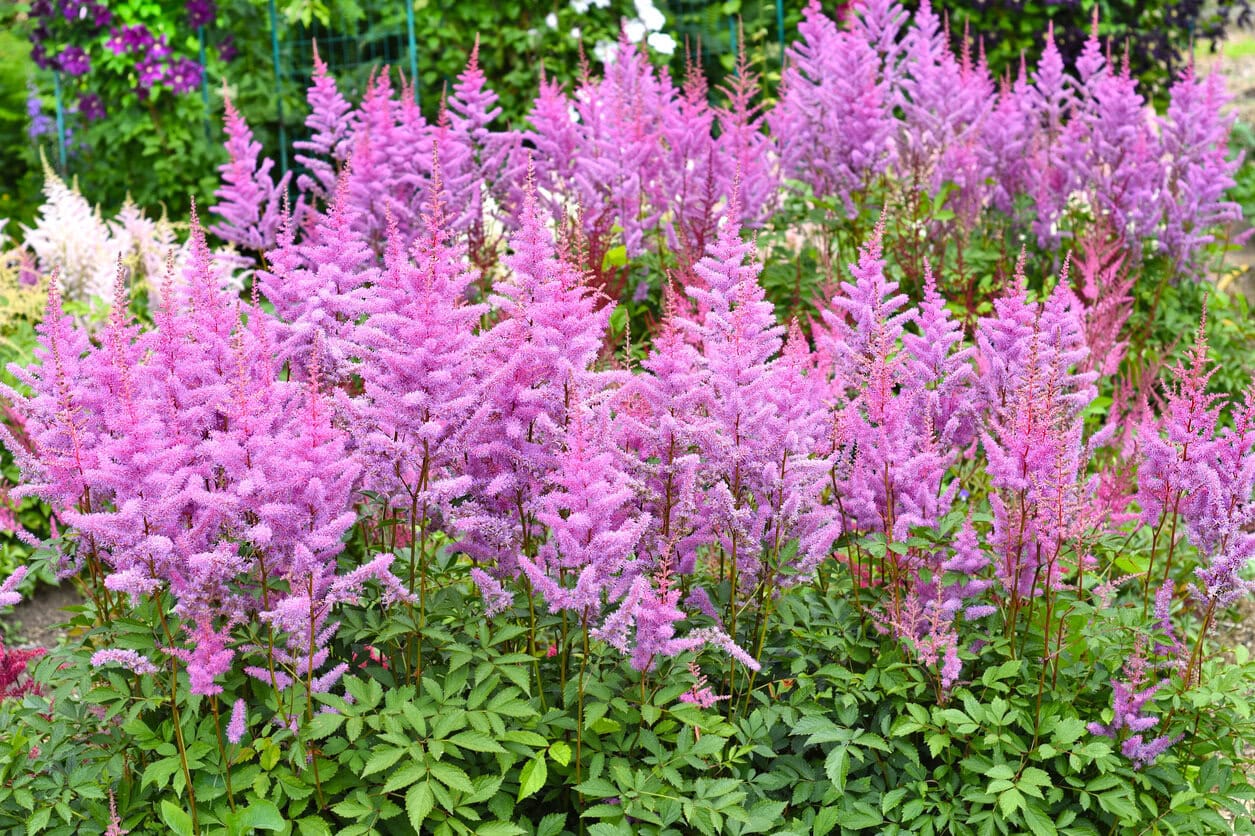
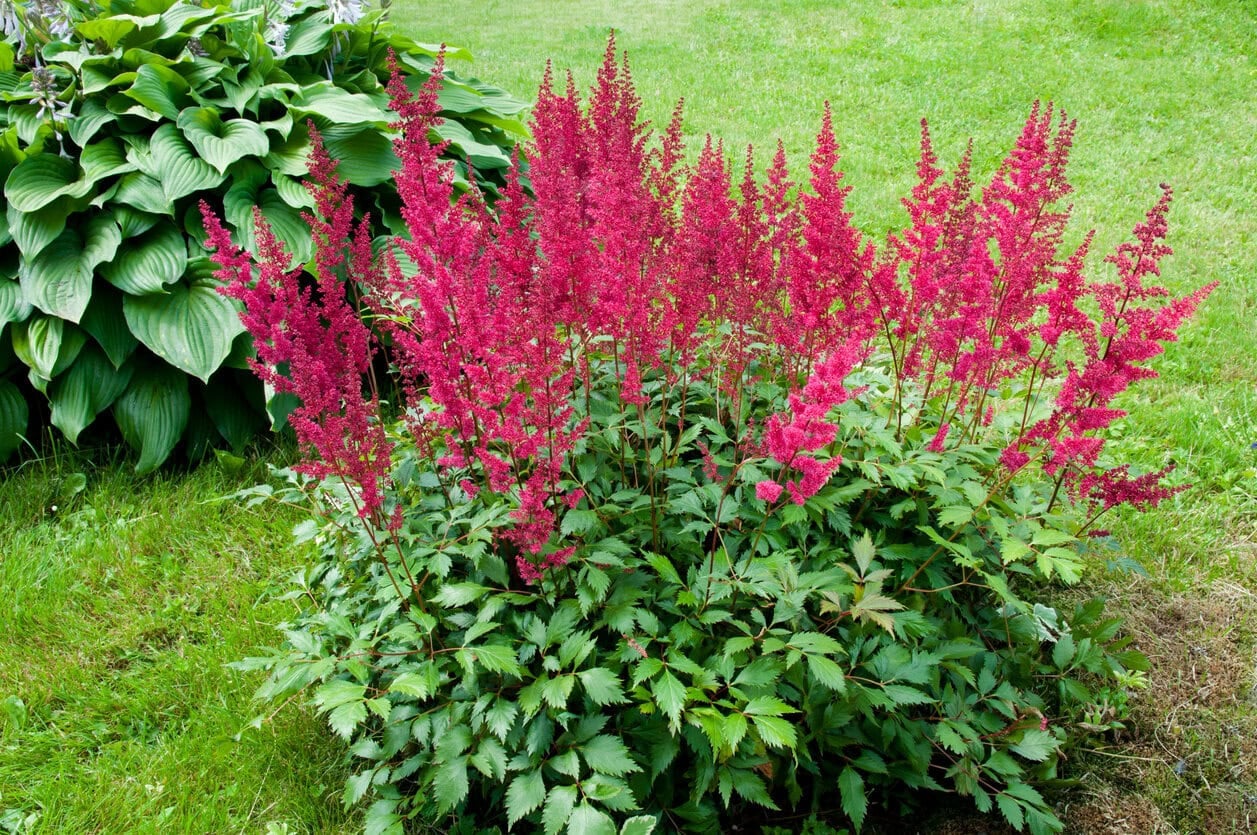
Astilbe looks like a neon pipe cleaner had a baby with a fern. They produce these fuzzy spikes that look great, but they are absolute hydration junkies.
If you miss a few afternoons of watering in the summer, the leaves go crispy and stay that way until next year. They won’t bounce back once they’re scorched. So keep the soil consistently moist, mulch them well, and keep them where afternoon sun can’t cook them alive.
Quick tip: If the edges start browning, don’t fertilize. Water deeply, add mulch, and move the plant to more shade if it keeps crisping up.
4. Coral Bells (USDA Zones 3-8)

Stop being so helpful and stop planting these deep. That lumpy crown needs to sit level with the soil, or just slightly above it. These are not swamp lilies.
Do not even look at your watering can until the top couple inches of soil start to dry. Also, go easy on fertilizer. A light feeding in spring is usually enough, and too much liquid food can push weak, floppy growth instead of sturdy leaves.
Quick tip: If the crown heaves up after winter, don’t panic. Tuck soil or compost around the roots, but don’t bury the crown!
5. Impatiens (USDA Zones 2-11)
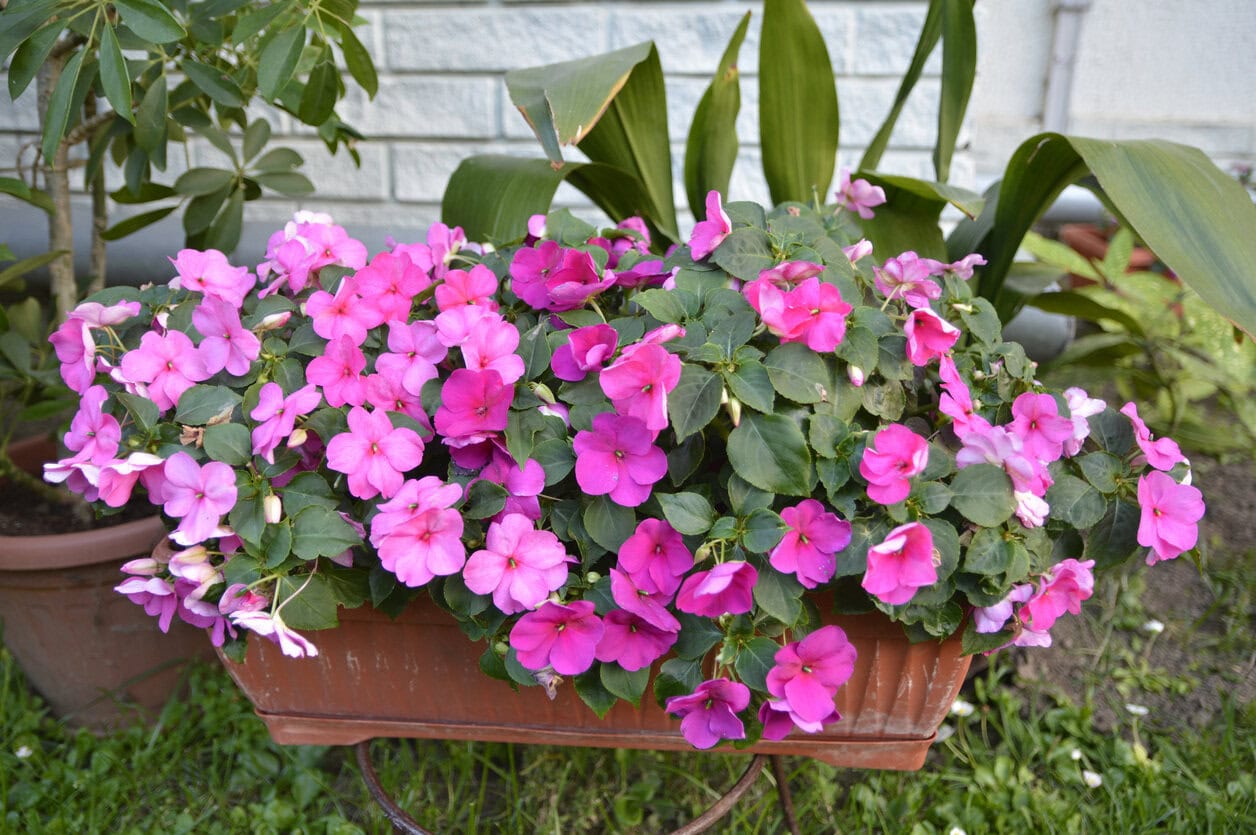
Impatiens barely require any maintenance. They don’t need you to pinch off dead flowers or do much actual work.
The only catch? They’re little more than plant-shaped water balloons. If they get too hot or thirsty, they flat-out collapse. Give them a deep drink, and they’re usually upright again before you’ve finished feeling guilty.
6. Columbine (USDA Zones 3-8)
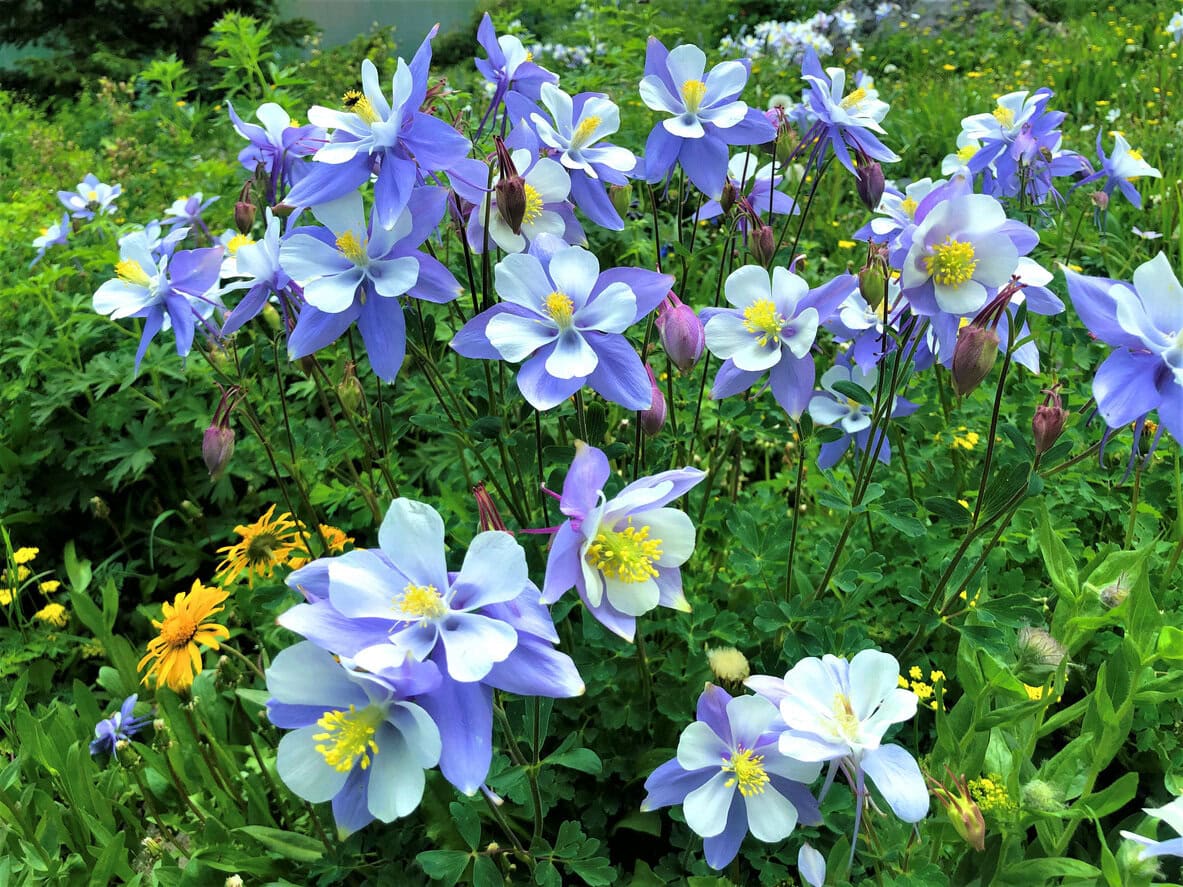
Columbine is the weirdo with flowers that have these long, alien-looking spikes off the back that hummingbirds go crazy for. They aren’t picky about soil as long as it drains, and once established they can tolerate a dry, rocky excuse for dirt.
The foliage looks like clover and stays green long after the weird flowers are gone. Columbines also drop seeds everywhere! Expect to find bonus plants in your sidewalk cracks next year.
Quick tip: Don’t deadhead every flower if you want free plants. Let a few seed heads dry on the plant, then shake them where you want next year’s chaos.
7. Lungwort (USDA Zones 3-8)
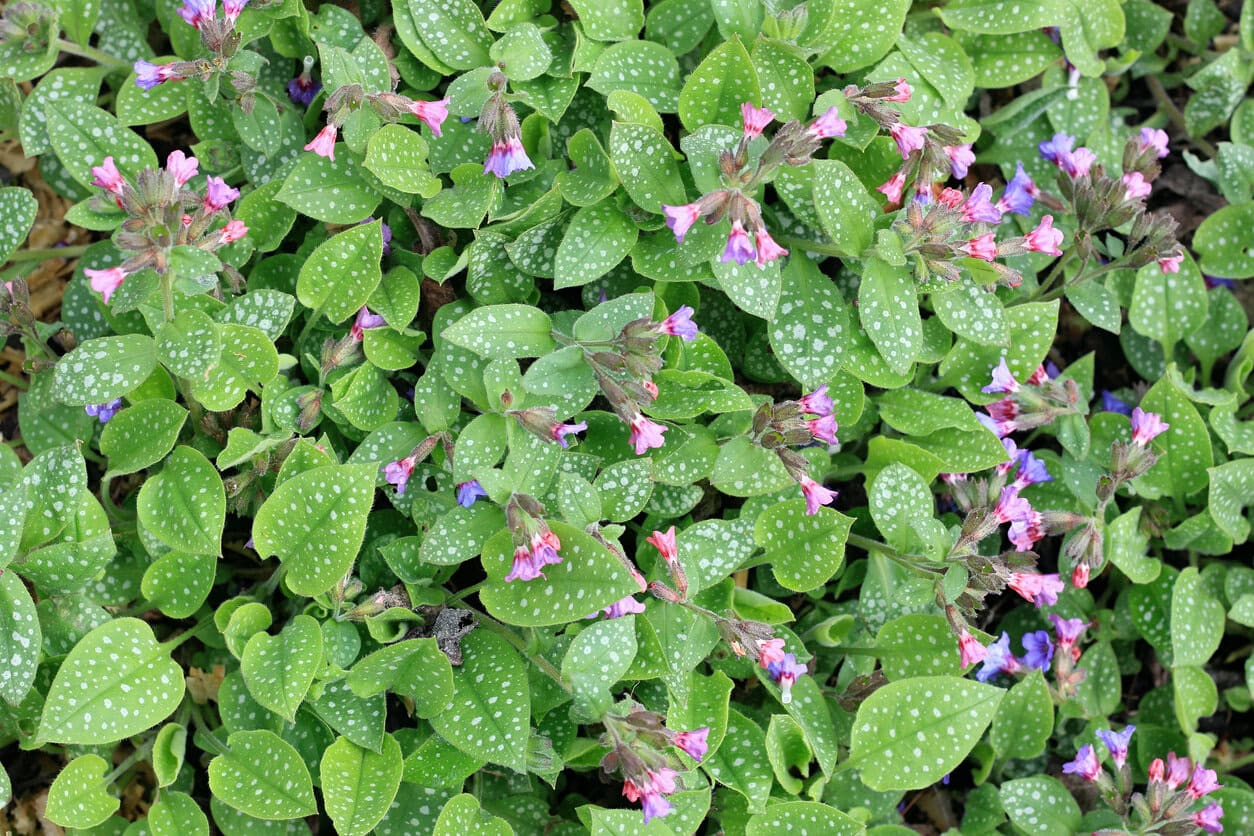
The name is disgusting, but the plant is solid. It has these bristly, hairy leaves that feel like sandpaper, which is why slugs usually leave them alone, a rare miracle for a shade plant.
The flowers do this cool trick where they start pink and turn blue as they open, so the whole cluster looks mismatched. It’s a low-to-the-ground spreader that finally covers those bare patches, as long as tree roots aren’t stealing every last drop of water.
Quick tip: If the leaves get crispy or mildewy, cut the ugly foliage back after flowering. Fresh leaves usually come back looking much less tragic.
If you want more dependable plants that don’t act personally offended by shade, we put together a guide on reliable perennials that thrive in shade.
8. Fuchsia (USDA Zones 2-11)
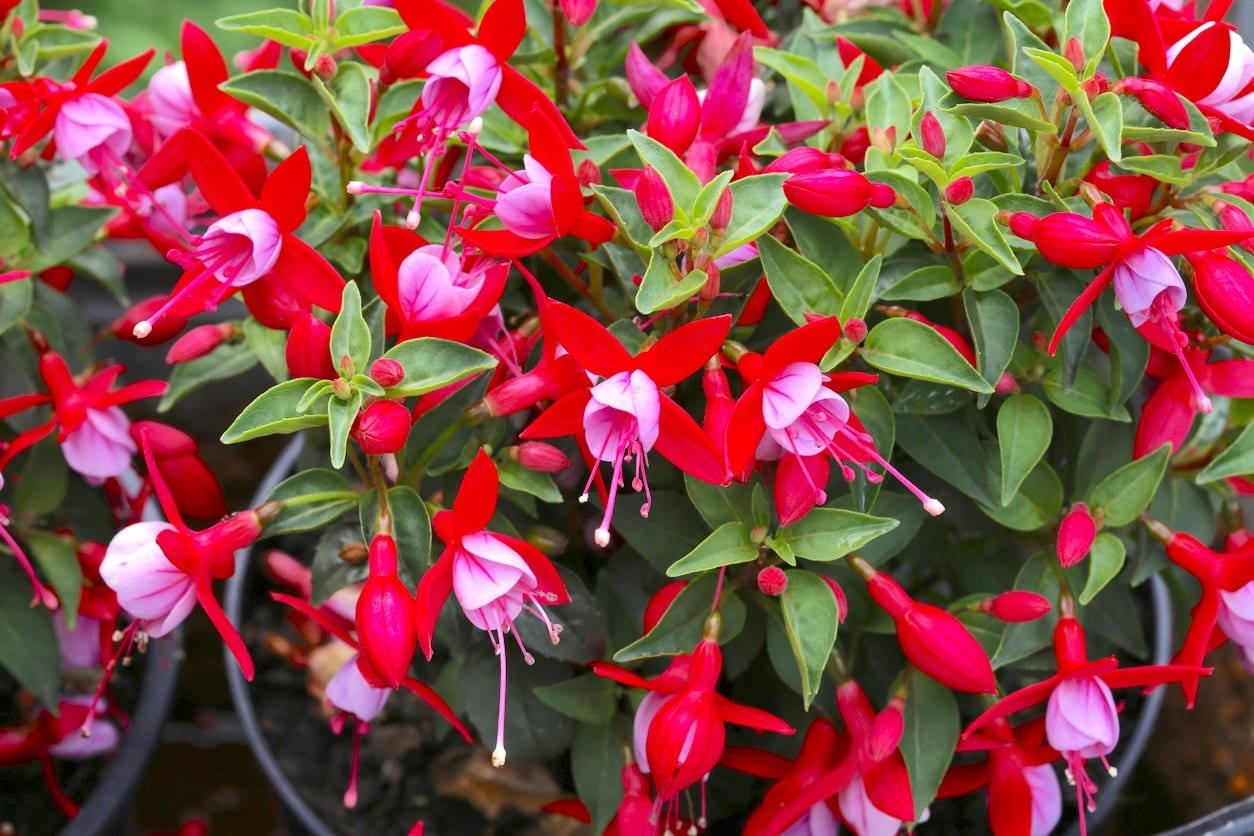
Don’t bother planting these anywhere but a shaded hanging basket. The flowers are ornate and delicate, but the plant has a hair-trigger temper.
If it gets blasted by afternoon sun or dries out, it will start dropping buds like it’s making a point.
You have to keep the soil evenly moist and feed it regularly. They’re high-maintenance trophies that look great until they decide to break down.
Quick tip: If the buds keep dropping, check water first. Hanging baskets dry out fast, and fuchsias punish you immediately for pretending otherwise.
If your shade situation is more “porch with pots” than actual garden bed, we also wrote a guide on low-maintenance potted plants for shady porches.
9. Begonias (USDA Zones 2-11)
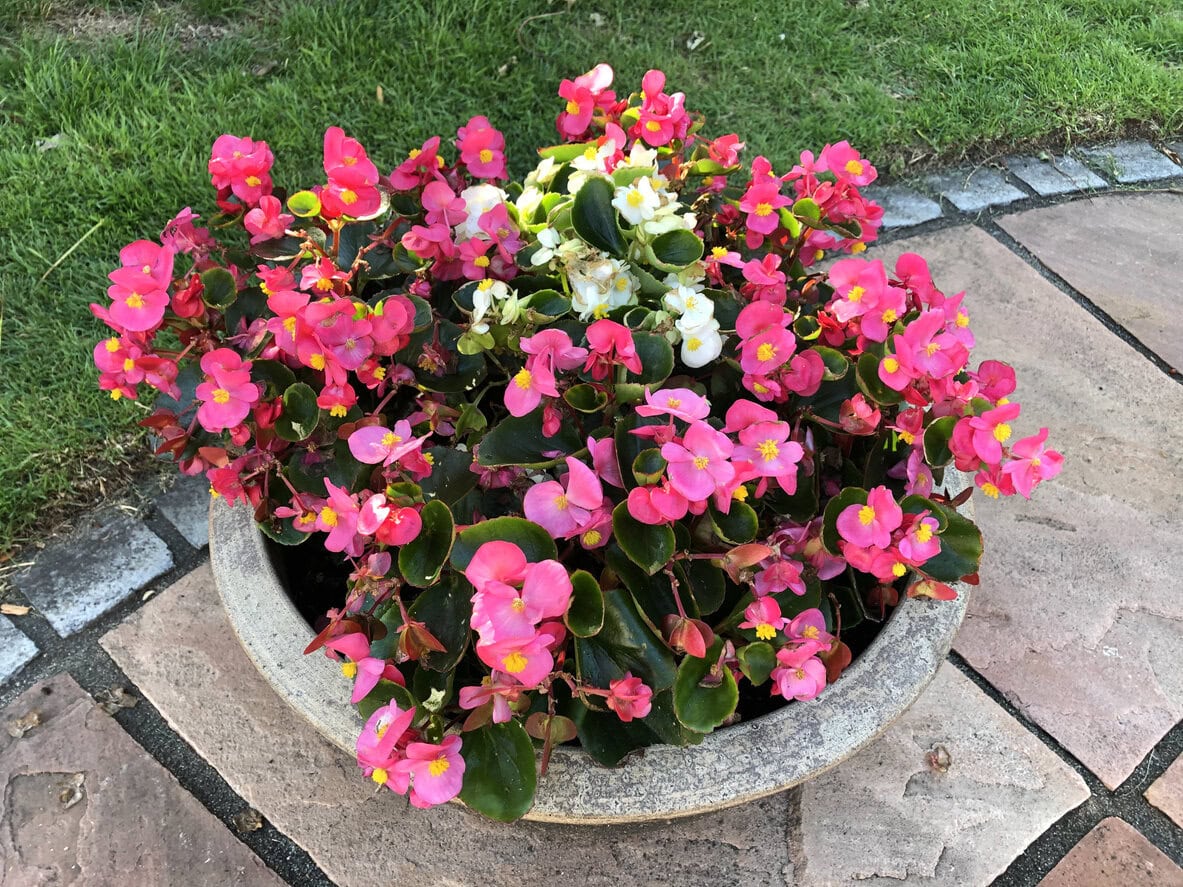
Do you want tropical color without the tropical sun? Begonias’ thick, waxy leaves actually hold onto water. They handle deep, dark shade better than almost anything else on this list.
You can shove them in a pot, leave them in a shady corner, and they’ll just keep putting out flowers until frost. Begonias aren’t flashy, but they’re reliable as hell.
Quick tip: If they get leggy and barely bloom, they may be in too much dark shade. Move them somewhere brighter, but keep them out of harsh afternoon sun.
Three Shades of… Shade
Partial shade isn’t a lie, but it is annoyingly vague! In the real world, you’re usually dealing with dappled shade, deep shade, or the cursed third option: dry shade.
In this game, the house always wins… especially the north side.
If your yard has more low-light punishment zones than sunny flower beds, we explain more options in this guide on shade-tolerant perennials for low-light spots.