Snapdragons have the cutest faces, true, but they’re master manipulators. Every single one of their dried-out blooms is a tiny but defiant and silent way to say their show won’t go on.
But what if you could prove them wrong? What if you could convince them, no, demand that they keep rainbowing your garden all summer long?
It’s about time to shake your fist at their endless rebellion and learn how to turn it to your advantage.
Why Deadheading Snapdragons Makes Them Bloom Longer

If you thought deadheading snapdragons sounds ominous, snapheading deaddragons sounds even worse, so stick with the first. It’s a clever gardening hack.
Snapdragon’s ultimate goal, like most plants, is to reproduce and create seeds. When it isn’t wasting energy on seed production, where does that energy go? Straight into creating new flowers.
All you need to do is interrupt the process with a well-timed commercial break. In gardening, that’s called deadheading. And if you’re curious which flowers you can skip cutting because the birds love their seeds, here’s a guide on when to deadhead and when to let them go to seed.
When Should You Deadhead Snapdragons? Let’s See!
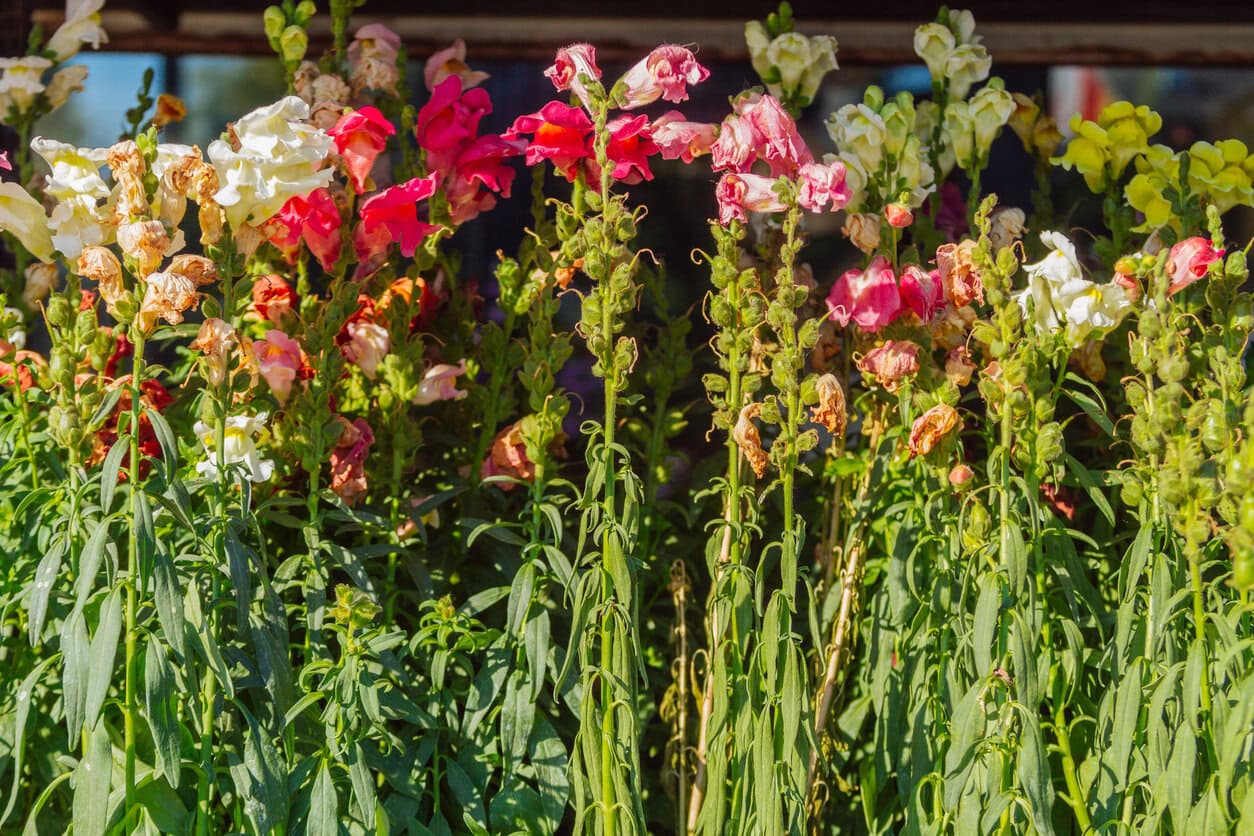
The perfect moment to snap flower heads is right after snapdragons finish their initial flowering. For most varieties planted in spring, that comes in early summer.
You’ll easily notice the shift as the vivid hues of their first blossoms begin to fade, and individual flowers on each spike shrivel and dry out. Furthermore, make deadheading a weekly ritual after that first big trim.
And keep a close eye on your plants. Look for both faded blooms and green swollen seed pods where the flowers once were. Their presence means the plant has started sending energy into seed-making instead of blooming.
Snip them off promptly, unless you want to save seeds at the end of the season, in which case you can leave a few spikes to mature.
This “catch it early” rule works for most summer bloomers. For example, zinnias will also keep blooming non-stop if you deadhead them regularly.
How to Deadhead Snapdragons? Let’s Start!

Arm yourself with sharp, squeaky-clean hand pruners, because a precise cut proves fundamental to plant health. 1 – It prevents damage, and 2 – it minimizes disease.
Your first step is to locate the targets. Identify individual flower stalks where blooms withered, shriveled, or dried. Then, you remove these spent parts.
The critical phase involves the cut. Trace the stem of the spent flower downward to the nearest healthy leaf node or an emerging side shoot. That precise intersection point is where your snapdragon produces new growth.
Now, position your pruners to cut just above this node. For soft-stemmed plants like snapdragons, the exact angle isn’t critical, the key is a clean cut close to the node to encourage new shoots.
Trim back about a quarter to a third of the stem for light deadheading, but if the whole spike has finished blooming and looks leggy, you can cut it back by as much as half to encourage stronger regrowth.
And at last, manage the aftermath. Gather all cut stems and any fallen flower debris. Never leave these organic materials scattered around the plant’s base. Such residue creates conditions perfect for the spread of fungal diseases and unwanted pests.
If clippings show any sign of disease, bag them. Discard them in your household trash to prevent the spread. However, healthy clippings belong in your compost bin.
If you grow geraniums, here’s exactly how to deadhead them for continuous color.
What to Expect After Your First Deadheading

Once deadheading’s done, snapdragons go to work. Don’t expect immediate fireworks, but within a week or two, you will notice significant changes.
Look closely along the stems where you made your cuts. You’ll see tiny new side shoots and buds starting to form. The plant’s next generation of blooms is actively developing because you redirected its energy away from seed production.
Your plants will also begin to transform in overall appearance. Instead of looking leggy with spent flower stalks, the new side shoots growing out will create a bushier silhouette, denser and more compact, snapping your garden to life!
And if you’re the type who loves variety, check out our guide for deadheading coneflowers and deadheading dahlias, both reward you with gorgeous late-season blooms.
Common Deadheading Mistakes to Avoid!
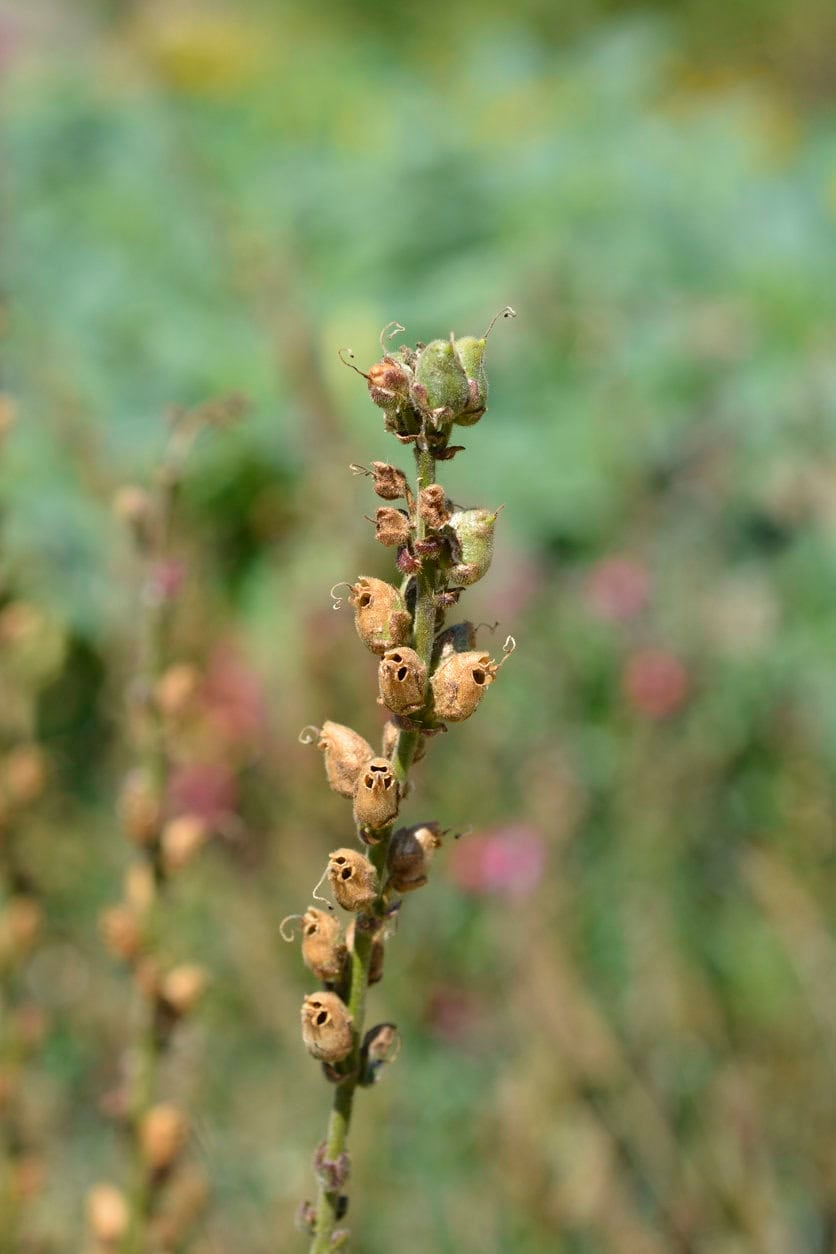
Ever seen a snapdragon seed pod up close? It’s like the plant’s way of giving you tiny creepy faces just to remind you that you forgot to deadhead. Snapdragons are waking up, you feel it in your bones, enough to make their systems blow.
Avoid a common blunder so your garden can wake up with thunder:
You’ve been waiting on this for a while now, paying your dues to the dirt, been dreaming of a perfect snapdragon garden since a child, and now you’re on top of the world!
If you’re unsure whether a plant actually needs deadheading, here’s a basic guide on which flowers benefit from it and which don’t.
No Garden Gloom With Snappy Blooms

There you have the 3Ws and the H of deadheading snapdragons! They might have thought they were done being pretty. But deft flicks of your pruners at the right place, the right time, and in the right way truly showed them otherwise. Now it’s time to E, N, J, O, Y!